.png)
Navigating the Emotional Impact of Memory Loss on Long-Term Marriages in the Portland Metro Area

When a couple celebrates several decades of marriage, their connection is built on a massive foundation of shared history, unspoken shorthand, and mutual reliance. They have navigated career shifts, raised families, and managed the natural challenges of life side by side. However, when one partner begins to experience progressive cognitive decline, the entire architecture of that long-term relationship undergoes a profound, destabilizing shift.
The introduction of memory loss does not simply impact the individual patient; it reshapes the emotional landscape of the marriage itself. At Serenity Home Care in Beaverton, Oregon, we frequently walk alongside couples navigating this deeply personal transition. Moving from an equal, romantic partnership to a clinical dynamic can introduce intense feelings of loneliness, ambiguous grief, and caregiver fatigue. Addressing this emotional shift requires a gentle combination of psychological validation, strategic communication adjustments, and professional home care Beaverton OR to protect both partners.
The Psychological Shifts within a Changing Marriage
To effectively manage the challenges of memory loss within a marriage, the caregiving partner must first recognize that their complex emotional reactions are a completely natural response to an unprecedented relational shift.
The Reality of Ambiguous Loss
Unlike the definitive grief of a physical passing, couples facing neurodegenerative conditions experience a slow process known clinically as ambiguous loss.
The healthy spouse is forced to mourn the progressive loss of their partner's personality, shared memories, and cognitive abilities, even though their physical presence remains entirely unchanged.
This ongoing state of grief can feel incredibly isolating because the relationship is frozen in an intermediate zone, where the spouse is simultaneously present yet increasingly out of reach.
The Burden of Role Reversal
Long-term marriages naturally balance out over time, with each partner taking ownership of specific household roles, financial tasks, and emotional support systems.
Memory loss systematically dismantles this balance, forcing the healthy partner to absorb every single responsibility, from long-term financial planning to daily household management.
This complete shift from a mutual confidant and romantic equal to a full-time supervisor can trigger deep feelings of resentment, which are often followed by overwhelming cycles of unearned guilt.
The Shrinking Mutual Reality
As memory deficits worsen, the cognitive shorthand that defined the relationship begins to dissolve.
Inside jokes, references to past vacations across the Pacific Northwest, and memories of major family milestones may no longer evoke a response from the affected spouse.
This shrinking zone of shared reality can leave the caregiving partner feeling intensely lonely within their own home, even while sitting directly across from the person they married.
Communication Adaptations to Preserve Spousal Dignity
Maintaining a deep emotional connection with a spouse experiencing cognitive decline requires shifting away from old communication habits and embracing therapeutic validation techniques.
Practicing Validation Over Correction
When a spouse misremembers a historical event or mistakes the current timeline, avoid the urge to correct them or force them into the present reality.
Pointing out memory mistakes can trigger immediate frustration, humiliation, and defensiveness in a person who is already fighting a confusing environment.
Validate the core emotional state behind their words instead of focusing on factual accuracy, using reassuring phrases such as, "You are feeling anxious right now, and I am right here to protect you."
Simplifying Verbal Exchanges
Replace complex, multi-step questions or fast-paced conversations with short, clear sentences delivered in a calm, low-pitched vocal tone.
When presenting choices, limit the options to two distinct items, such as asking, "Would you prefer chicken or fish for dinner?" rather than asking an open-ended question about what they want to eat.
Give your partner ample time to process your words and formulate a response, avoiding the temptation to interrupt or finish their sentences for them.
Utilizing Non-Verbal Comfort Cues
When spoken language begins to fade, non-verbal cues become the primary channel for preserving emotional intimacy within the marriage.
Maintain direct eye contact at their physical level, use gentle touch on the shoulder or hand, and present an open, warm facial expression to convey safety.
Sitting quietly together while holding hands, listening to familiar music from your youth, or looking through older photo albums can maintain a powerful sense of connection without the pressure of conversation.
Managing Internal Triggers and Caregiver Resentment
A key component of protecting a long-term marriage through memory loss is learning how to recognize and manage the emotional strain that can build up within the caregiving spouse.
De-Personalizing Behavioral Alterations
It is incredibly painful when a spouse displays sudden irritability, uses harsh language, or fails to recognize your face during periods of evening confusion.
Caregivers must continuously remind themselves that these distressing behaviors are direct symptoms of a progressive neurological condition, rather than an intentional attack.
Viewing these behavioral spikes through a detached, clinical lens helps reduce immediate emotional hurt, allowing you to respond with patient de-escalation rather than defensive anger.
Creating Safe Outlets for Expressing Grief
Suppressing negative emotions, fear, or sadness out of a sense of marital duty can rapidly lead to clinical depression and physical burnout.
Seek out dedicated support groups throughout the Portland metro area where you can share your challenges openly with peers who truly understand the caregiving dynamic.
Partner with a specialized local family therapist to process the complicated grief of role reversal, ensuring you have a private space to care for your own mental health.
How Professional Companion Care for Dementia Protects the Bond
Attempting to manage every single aspect of advanced memory loss independently can rapidly cause the caregiving spouse to lose their identity as a partner. Integrating professional support is vital to preserve the heart of the marriage.
Restoring the Role of Spouse
Bringing a professional caregiver into the home to manage demanding tasks like bathing, dressing, and incontinence care removes a significant source of tension from the marital dynamic.
Relieving the healthy partner of these intensive physical demands allows them to step back from the constant role of nurse and reclaim their primary identity as a loving spouse.
This essential shift creates space for the couple to enjoy meaningful quality time together, focusing on shared comfort, affection, and gentle companionship.
Providing High-Precision Safety and Oversight
Trained caregivers deliver consistent, professional supervision to protect seniors from common memory-related safety risks, including nighttime wandering or getting disoriented during community outings.
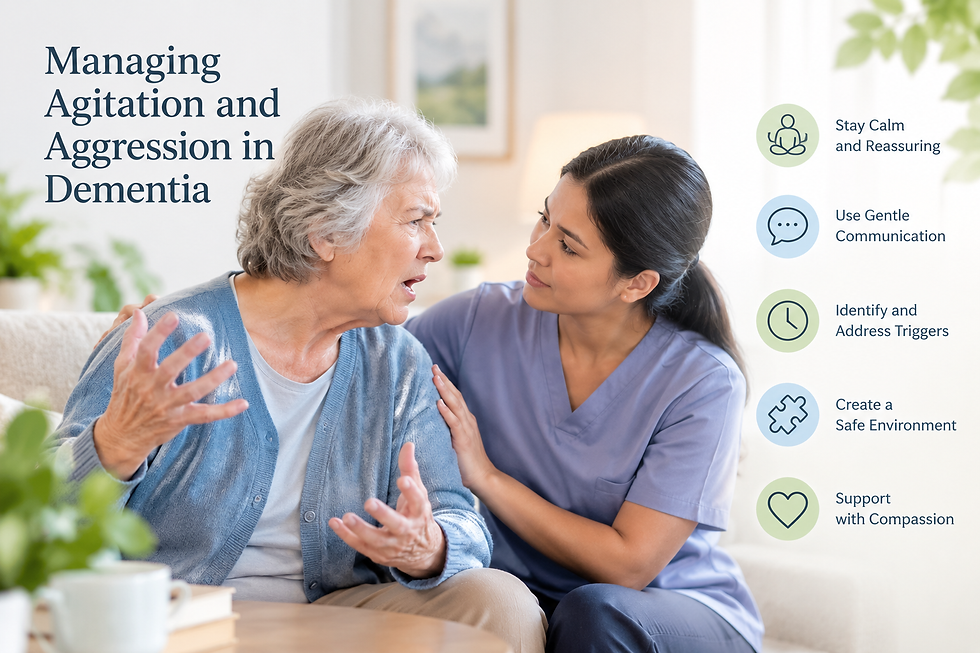
Caregivers can implement specialized behavioral strategies to ease late-day restlessness, utilizing gentle redirection to reduce anxiety before it escalates.
This protective oversight gives the caregiving spouse invaluable peace of mind, allowing them to rest, run personal errands, or attend to their own medical needs without constant worry.
Enhancing Quality of Life with In-Home Support
Our staff provides comprehensive assistance with daily household infrastructure, managing nutritious meal preparation, grocery shopping, and light housekeeping.
Caregivers engage the senior in customized, low-stress cognitive exercises and sensory activities tailored specifically to their personal history and preferences.
This dedicated support ensures your partner remains active and engaged in a safe, familiar environment, maximizing their daily comfort and well-being.
Protecting the Foundations of the Relationship
Navigating memory loss within a long-term marriage is an ongoing emotional journey that requires rewriting expectations while honoring your shared history.
Focus your energy on celebrating the connections that remain active in the present moment, rather than constantly comparing today's challenges to the relationship of the past.
Establish new, gentle daily rituals that adapt to your partner's current cognitive abilities, such as a peaceful morning walk or a quiet afternoon coffee routine.
Remember that seeking professional assistance is not a failure of your marital vows; it is a proactive step to protect your own health and ensure your spouse receives the highest standard of care.
Guiding a long-term marriage through the evolving challenges of memory loss requires an immense amount of emotional resilience, continuous patience, and physical energy. You do not have to navigate this complex, shifting landscape entirely on your own. Our professional care team is deeply committed to delivering compassionate, specialized memory care that prioritizes your spouse's safety and comfort while providing you with the essential respite and support you deserve.
To learn how our tailored home care services can help bring peace, balance, and renewed connection back into your household, contact Serenity Home Care today to schedule a warm professional consultation.


Comments