.png)
How Regular Cardiovascular Screening Helps Prevent Sudden Cardiac Events in Seniors

Cardiovascular disease can develop quietly for years before producing a noticeable emergency.
For an older adult, a routine medical appointment may reveal elevated blood pressure, abnormal cholesterol, high blood glucose, or another cardiovascular risk factor that has not caused obvious symptoms. Identifying these issues early gives the senior and their health care team an opportunity to address them before they contribute to a serious cardiovascular event.
This is why regular cardiovascular screening is an important part of proactive senior care.
Screening cannot guarantee that a heart attack, stroke, or other cardiovascular event will never occur. However, it can help identify risk factors that may be modified or treated. The American Heart Association identifies blood pressure, cholesterol, blood glucose, body weight, physical activity, diet, and smoking among important factors considered during cardiovascular health screening.
For older adults in Portland, Gresham, Troutdale, and throughout Multnomah County, maintaining a consistent relationship with a health care provider can help keep these risks visible and manageable.
Why Cardiovascular Screening Matters More With Age
Age is one of the strongest risk factors for cardiovascular disease.
As people grow older, they may also accumulate other risk factors, including:
High blood pressure
High cholesterol
Diabetes
Reduced physical activity
Smoking history
Excess weight
Kidney disease
Family history of cardiovascular disease
Previous cardiovascular events
Having one risk factor does not mean a senior will experience a cardiac event.
Instead, cardiovascular screening helps the health care team understand the overall picture.
What Does Cardiovascular Screening Include?
There is no single test that can predict every future cardiac event.
Instead, cardiovascular prevention generally involves several types of assessments.
Depending on the individual's age, health history, symptoms, and risk profile, a health care professional may evaluate:
Blood pressure
Cholesterol
Blood glucose or A1C
Weight and body composition
Smoking status
Physical activity
Diet
Family history
Kidney health
Existing cardiovascular conditions
Relevant medications
The American Heart Association notes that screening frequency depends on individual risk, meaning some people may need more frequent monitoring than others.
Blood Pressure Screening Is Especially Important
High blood pressure is often called a silent condition because a person may have elevated readings without feeling unwell.
That makes regular measurement particularly important for older adults.
The U.S. Preventive Services Task Force recommends screening adults for hypertension and recommends confirming a potential diagnosis with measurements outside the clinical setting before starting treatment.
For seniors, blood pressure may be checked:
During routine medical visits
At home when recommended
At pharmacies or other appropriate settings
Through ambulatory monitoring when prescribed
Home readings can provide useful information, but seniors should use a validated device and follow their health care professional's instructions.
Cholesterol Screening Helps Reveal Hidden Risk
Cholesterol levels can contribute to plaque buildup in arteries over time.
A lipid panel may measure:
Total cholesterol
LDL cholesterol
HDL cholesterol
Triglycerides
The American Heart Association notes that lipid testing can be performed using fasting or nonfasting blood samples depending on the circumstances and clinician preference.
An abnormal result does not automatically mean a senior needs medication.
The appropriate response depends on the individual's overall cardiovascular risk, medical history, current medications, preferences, and other factors.
Blood Glucose Can Reveal Another Cardiovascular Risk
Diabetes is closely connected with cardiovascular health.
Elevated blood glucose can damage blood vessels and increase the risk of cardiovascular disease over time.
Screening may involve:
Fasting blood glucose
A1C testing
Other tests recommended by a health care professional
The American Heart Association notes that diabetes and prediabetes can exist without obvious symptoms, making appropriate screening important.
For an older adult, identifying abnormal blood sugar levels can provide an opportunity to address diet, activity, medication, and other factors with the care team.
Risk Assessment Is More Than Looking at One Number
A blood pressure reading or cholesterol result provides only part of the picture.
Health professionals may consider multiple factors together.
These can include:
Age
Blood pressure
Cholesterol
Diabetes
Smoking
Weight
Kidney function
Family history
Existing cardiovascular disease
Current medications
The American Heart Association's 2026 dyslipidemia guidance emphasizes individualized cardiovascular risk assessment rather than relying on a single measurement.
This is particularly important for older adults, whose treatment decisions may need to account for overall health, other conditions, medication burden, and personal goals.
Screening Does Not Mean Every Senior Needs Every Test
Preventive care should be individualized.
A senior with an established cardiovascular condition may require more intensive monitoring than someone with no known cardiovascular disease.
Similarly, a senior with diabetes, kidney disease, hypertension, or a strong family history may need a different screening approach.
Families should avoid assuming that a test is necessary simply because another older adult receives it.
The senior's own health care provider should determine which assessments are appropriate.
Regular Screening Can Lead to Earlier Action
The value of screening is not simply identifying an abnormal result.
The important next step is understanding what that result means and what can be done about it.
For example, a health professional may recommend:
Dietary changes
Increased physical activity
Smoking cessation support
Blood pressure management
Cholesterol management
Diabetes management
Medication adjustments
Additional testing
Referral to a specialist
The earlier a modifiable risk factor is recognized, the sooner a care plan can be considered.
Medication Reviews Can Complement Cardiovascular Screening
Many older adults take medications for blood pressure, cholesterol, diabetes, or other chronic conditions.
A cardiovascular screening visit can provide an opportunity to discuss whether medications are being taken as prescribed and whether there have been recent changes.
Families should not change or discontinue medications independently.
Instead, they can ask the health care professional:
Is this medication still appropriate?
Has the dose changed?
Are there side effects?
Does the medication interact with anything else?
What should we monitor at home?
When should the medication be reviewed again?
This can be especially useful when several providers are involved.
Do Not Confuse Screening With Emergency Evaluation
Screening is intended for people who are not currently experiencing an emergency.
A senior should not wait for a routine screening appointment if concerning symptoms develop.
Potential emergency warning signs can include:
Chest pressure or discomfort
Significant difficulty breathing
Sudden weakness
Sudden numbness
Sudden difficulty speaking
Fainting
Severe or unexplained symptoms
Some cardiac events do not present in the stereotypical way people expect.
Older adults may also have less obvious symptoms.
If a senior develops potentially serious symptoms, seek emergency medical attention rather than waiting for a scheduled screening.
Know the Senior's Baseline
Families can benefit from knowing what is normal for their loved one.
A senior's baseline may include:
Typical activity level
Usual walking tolerance
Normal blood pressure when home monitoring is recommended
Typical energy level
Usual appetite
Baseline breathing pattern
Typical ability to perform daily activities
A significant change may deserve attention even when the senior cannot clearly explain what feels different.
Caregivers can communicate observations to the senior's health care team.
Pay Attention to Functional Changes
Cardiovascular problems can sometimes affect a senior's ability to perform familiar activities.
Families may notice:
Becoming unusually tired during normal activities
Needing more frequent rest periods
Reduced walking tolerance
Difficulty completing household tasks
New shortness of breath
Reduced participation in previously enjoyed activities
These changes have many possible causes and should not automatically be attributed to heart disease.
However, they are worth discussing with an appropriate health professional.
Home Blood Pressure Monitoring May Be Useful
Some seniors benefit from monitoring blood pressure at home.
If recommended, caregivers can help support a consistent routine.
Important considerations include:
Using an appropriate validated monitor
Following the manufacturer's instructions
Sitting quietly before measurement
Using the correct cuff size
Recording readings consistently
Sharing relevant readings with the health care provider
The USPSTF specifically recommends out-of-office blood pressure measurements for confirming hypertension before treatment is started.
Home monitoring should not replace professional evaluation.
Lifestyle Habits Remain Part of Prevention
Screening is only one component of cardiovascular prevention.
Health professionals may also discuss:
Regular physical activity
A balanced eating pattern
Smoking cessation
Appropriate weight management
Sleep
Alcohol consumption
Stress management
For seniors, recommendations should reflect physical abilities and medical needs.
A person with mobility limitations, for example, may need an individualized activity plan rather than generic exercise advice.
Physical Activity Should Be Individualized
Regular movement can support cardiovascular and overall health.
Older adults may participate in activities such as:
Walking
Water exercise
Chair-based movement
Light resistance training
Balance exercises
Other activities recommended by their health care team
The appropriate activity level depends on the person's health and physical abilities.
A senior with known heart disease or concerning symptoms should discuss exercise plans with their health care professional.
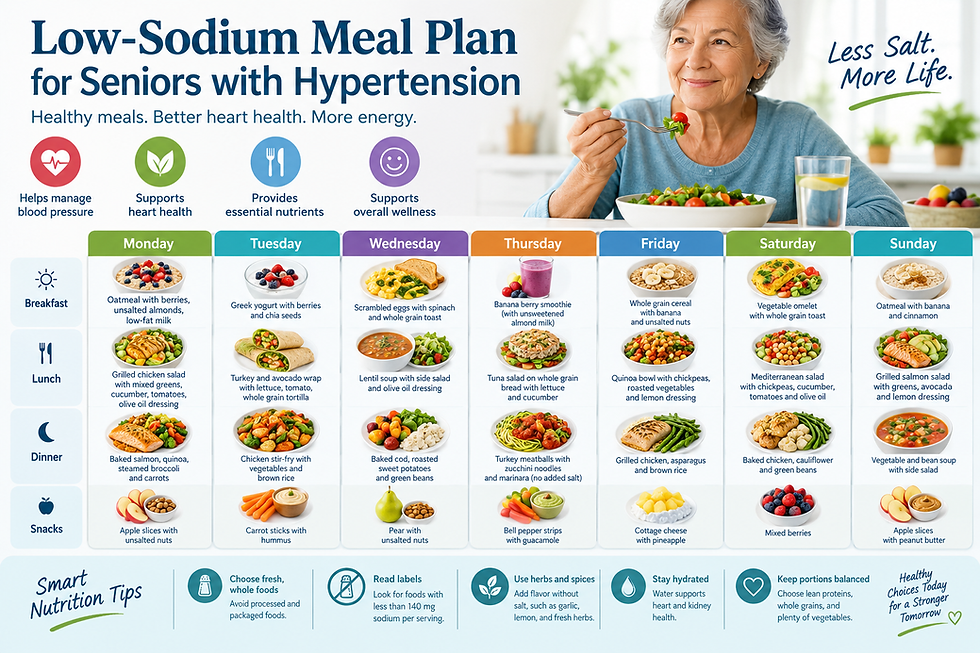
Nutrition Can Support Cardiovascular Health
Food choices can influence several cardiovascular risk factors.
A balanced eating pattern may emphasize:
Vegetables
Fruits
Whole grains
Appropriate protein sources
Healthy fats
Foods lower in excessive sodium and added sugars
Dietary needs vary significantly among older adults.
For example, someone with kidney disease, diabetes, heart failure, or another medical condition may require specific dietary recommendations.
A registered dietitian or health care professional can provide individualized guidance.
Smoking Cessation Remains Important
Smoking contributes to cardiovascular risk at any age.
Older adults who smoke may still benefit from quitting.
Families can approach the conversation without judgment.
Instead of focusing on past behavior, emphasize available support and the potential health benefits of stopping.
A health care provider can recommend appropriate cessation resources.
Family History Can Change the Conversation
Some cardiovascular risk factors cannot be changed.
Family history is one example.
During a preventive visit, families should tell the health care provider about relevant family history, particularly if close relatives experienced cardiovascular disease at younger ages.
This information may influence how the provider assesses overall risk.
Know When Screening May Need to Happen More Often
There is no universal schedule that applies equally to every senior.
More frequent monitoring may be appropriate when a person has:
Known cardiovascular disease
Previous heart attack
Previous stroke
Heart failure
Atrial fibrillation
Diabetes
Hypertension
Abnormal cholesterol
Significant cardiovascular risk factors
The American Heart Association notes that people with cardiovascular conditions or significant risk factors may require additional or more frequent testing.
Be Careful With Preventive Medications
Preventive medications can reduce cardiovascular risk for some people, but they are not appropriate for everyone.
For example, current USPSTF guidance supports selective statin use for certain adults ages 40 to 75 with cardiovascular risk factors, while evidence is considered insufficient to recommend for or against initiating a statin for primary prevention in adults age 76 and older.
This illustrates why age alone should not determine a medication decision.
For an older adult, the health care team should consider overall cardiovascular risk, health status, medication burden, potential benefits and harms, and the person's preferences.
Keep Screening Records Organized
Families managing senior care can make preventive visits easier by keeping important information together.
Consider maintaining:
Recent blood pressure readings
Medication list
Recent laboratory results
Physician contact information
Specialist information
Family cardiovascular history
List of allergies
Questions for the next appointment
This can help caregivers communicate accurately with the health care team.
Prepare Questions Before the Appointment
A senior or family caregiver can bring a short list of questions.
Examples include:
What are my current cardiovascular risk factors?
Is my blood pressure at an appropriate level?
When should my cholesterol be checked again?
Do I need diabetes screening?
Should I monitor blood pressure at home?
What physical activity is appropriate for me?
Are there symptoms I should report?
Does my family history change my risk?
When should my next cardiovascular assessment occur?
Written questions can be particularly helpful when appointments are short.
Caregivers Can Support Preventive Care
Home caregivers do not diagnose or treat cardiovascular disease.
However, they can support the practical routines surrounding preventive care.
Depending on the care plan, this may include:
Helping organize appointment information
Providing transportation support
Reminding the senior about scheduled appointments
Helping record established home blood pressure readings
Supporting healthy meal routines
Encouraging established activity routines
Observing changes in daily function
Communicating relevant observations to family members
This practical support can make it easier for seniors to remain engaged with preventive health care.
Why This Matters for Multnomah County Seniors
For older adults living in Portland, Gresham, Troutdale, and other Multnomah County communities, preventive cardiovascular care can be an important part of maintaining independence.
Regular screening does not mean searching for problems unnecessarily.
It means staying aware of measurable risk factors and giving the senior and their health care team opportunities to respond appropriately.
This is particularly valuable as older adults manage multiple health conditions and care providers.
Screening Is About Prevention, Not Prediction
No screening schedule can predict exactly when or whether a cardiovascular emergency will occur.
A senior can have normal screening results and still experience an unexpected medical event.
However, regular cardiovascular assessment can identify important risk factors that may otherwise remain unnoticed.
The American Heart Association emphasizes that identifying less-than-ideal cardiovascular risk measurements creates an opportunity to take positive action rather than assuming a serious event is inevitable.
That distinction matters.
The goal is not fear.
The goal is awareness and appropriate action.
Make Cardiovascular Health Part of the Annual Routine
Families can incorporate cardiovascular screening into a broader annual senior health review.
Consider making time to discuss:
Blood pressure
Cholesterol
Blood glucose
Weight
Physical activity
Diet
Smoking
Medications
Family history
New symptoms
Changes in functional ability
The exact tests and timing should be determined by the senior's health care provider.
Supporting Seniors Beyond the Doctor's Office
Preventive cardiovascular care happens in the clinic, but healthy routines continue at home.
For older adults, practical support with meals, activity, transportation, appointments, and daily routines can make it easier to follow an established care plan.
Serenity Home Care provides compassionate in-home support for seniors and families throughout Beaverton and the Portland Metro area. Caregivers can complement professional medical care by helping older adults maintain their established routines and by communicating relevant observations to families.
Regular cardiovascular screening is one part of a larger approach to healthy aging. When combined with appropriate medical care, healthy lifestyle habits, medication management, and attentive support at home, it can help families take a more proactive approach to an older loved one's well-being.
If your loved one needs dependable support with appointments, daily routines, mobility, meals, or aging safely at home, contact Serenity Home Care for a warm, personalized consultation. We would be honored to learn about your family's needs and discuss how compassionate in-home care can support your loved one's ongoing independence and quality of life.
Social Links:


Comments