.png)
Managing Peripheral Artery Disease and Circulation Risks for Beaverton Seniors

Peripheral artery disease, commonly called PAD, is a circulation condition that deserves careful attention in older adults. It develops when arteries that carry blood to the limbs become narrowed or blocked, reducing blood flow, particularly to the legs and feet.
For seniors, reduced circulation can affect more than walking comfort. PAD can contribute to leg pain, slower wound healing, mobility limitations, and serious complications when circulation becomes severely impaired.
Families caring for older adults in Beaverton, Hillsboro, Tigard, Portland, and surrounding Oregon communities can play an important role by recognizing changes early and supporting healthy daily routines.
What Is Peripheral Artery Disease?
Peripheral artery disease occurs when plaque buildup narrows arteries outside the heart, commonly affecting blood vessels supplying the legs.
Reduced blood flow may make it harder for muscles and tissues to receive enough oxygen and nutrients.
Some people with PAD have noticeable symptoms, while others have few or no symptoms.
Potential signs include:
Leg discomfort during walking
Aching or cramping in the calf, thigh, or hip
Pain that improves after resting
Leg weakness or fatigue
Coldness in one foot or leg
Changes in skin color
Reduced hair growth on the legs
Slow-growing toenails
Sores that heal slowly
Numbness or weakness in the legs or feet
Because symptoms can be subtle, families should not assume that an older adult's reduced walking ability is simply a normal part of aging.
Why PAD Matters for Older Adults
Reduced blood flow can affect an older adult's ability to remain active and independent.
When walking becomes uncomfortable, a person may naturally begin doing less.
That can lead to:
Reduced physical activity
Loss of strength
Declining endurance
Greater difficulty with household activities
Increased dependence on others
Greater fall concerns
Reduced participation in social activities
This can create a difficult cycle.
Less activity may contribute to physical deconditioning, while reduced mobility may make it harder for an older adult to maintain independence.
For this reason, PAD management should consider the person's overall functional abilities rather than focusing only on leg symptoms.
Recognizing Claudication
One of the classic symptoms associated with PAD is intermittent claudication.
This refers to pain, aching, or cramping in the legs that develops during physical activity and improves after resting.
An older adult might describe:
Calf pain after walking a certain distance
Thigh discomfort while climbing stairs
Leg fatigue during errands
Pain that improves after sitting down
A gradual reduction in walking distance
Some people may simply say, "My legs don't work like they used to."
That statement deserves attention, particularly if the change is persistent or progressively worsening.
A healthcare professional can determine whether PAD or another condition may be contributing.
PAD Does Not Always Cause Obvious Pain
Not everyone with PAD experiences classic leg pain.
Some older adults may have reduced sensation because of other health conditions, making symptoms harder to identify.
Others may gradually reduce their activity without realizing that circulation problems are influencing their mobility.
Families should watch for functional changes such as:
Walking less frequently
Stopping more often during walks
Avoiding stairs
Becoming reluctant to leave the house
Taking longer to complete familiar activities
Developing unexplained foot problems
Complaining that one leg feels colder than the other
A change in activity level can sometimes provide an important clue.
Foot Care Becomes Especially Important
Reduced circulation can affect the body's ability to heal wounds.
For an older adult with PAD, even a small foot injury may deserve careful attention.
Daily observation can include checking for:
Blisters
Cuts
Scrapes
Redness
Swelling
Skin discoloration
Cracks
Drainage
Changes in temperature
New areas of tenderness
People with diabetes or reduced sensation may have additional foot-related risks.
An older adult may not notice a minor injury until it has become more serious.
Regular professional foot care and medical follow-up can be important components of prevention.
Choose Footwear Carefully
Appropriate footwear can help protect vulnerable feet from unnecessary injury.
Families can encourage:
Properly fitting shoes
Clean, comfortable socks
Avoidance of shoes that rub or pinch
Checking shoes for foreign objects before use
Avoiding walking barefoot when it creates injury risk
Regular inspection of the feet
Older adults who have difficulty seeing their feet or reaching them safely may benefit from assistance with routine foot observation.
Caregivers should report concerning changes rather than attempting to diagnose or treat wounds independently.
Supporting Safe Physical Activity
Physical activity can be an important component of PAD management, but exercise plans should be individualized.
A healthcare professional may recommend a structured walking or exercise program depending on the person's condition and overall health.
At home, families can support activity by:
Encouraging movement within the person's abilities
Following prescribed exercise recommendations
Allowing appropriate rest periods
Keeping walking routes safe
Using mobility aids as recommended
Monitoring for concerning symptoms
Avoiding sudden increases in physical demands
An older adult should not be pushed through severe or unusual symptoms.
The right activity level depends on the person's health, medical recommendations, mobility, and PAD severity.
Medication and Medical Management Matter
PAD management may involve medications and treatment strategies designed to reduce cardiovascular risk and improve overall vascular health.
Depending on the individual's medical situation, healthcare professionals may address:
Blood pressure
Cholesterol
Blood sugar
Blood clot risk
Tobacco use
Physical activity
Overall cardiovascular risk
Some people may require procedures to improve blood flow.
Medication routines should always follow the prescribing clinician's instructions.
Caregivers can help by:
Providing medication reminders
Keeping medication lists updated
Watching for changes after medication adjustments
Helping organize healthcare information
Communicating concerns to family members
Caregivers should never stop or change prescribed medications without medical guidance.
Smoking Is an Important Circulation Risk
Tobacco use is a major risk factor for PAD and can worsen vascular health.
For older adults who smoke, discussing smoking cessation with a healthcare professional can be an important part of managing cardiovascular risk.
Families can support the process by:
Encouraging professional cessation resources
Offering emotional support
Avoiding criticism
Helping maintain healthy routines
Celebrating progress
Quitting can be challenging at any age, so compassionate support is often more helpful than pressure.
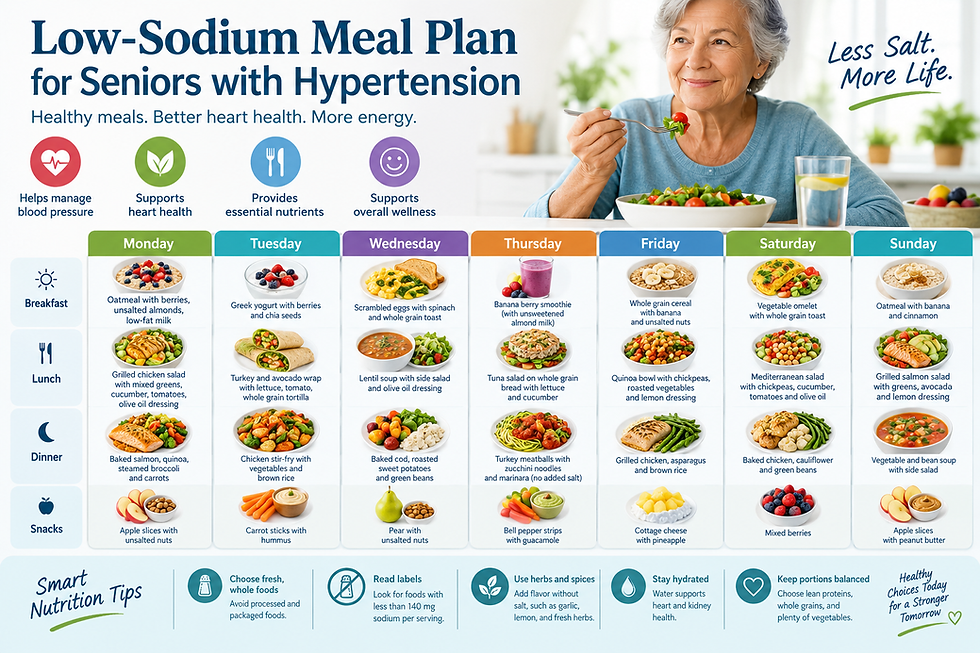
Nutrition and Vascular Health
Nutrition can also play a role in overall cardiovascular health.
A balanced eating pattern may help support healthy management of conditions associated with vascular disease.
Depending on an individual's medical needs, families may focus on:
Vegetables and fruits
Whole grains
Appropriate sources of protein
Fiber-rich foods
Healthy fats
Limiting excessive sodium
Limiting highly processed foods
Dietary recommendations should be individualized, particularly for seniors managing diabetes, kidney disease, heart conditions, or other chronic illnesses.
A healthcare professional or registered dietitian can provide guidance when a specialized diet is needed.
Know the Warning Signs of Severe Circulation Problems
Some PAD symptoms require urgent medical attention.
Families should seek immediate medical evaluation if an older adult develops sudden or severe changes such as:
Sudden severe leg pain
A leg or foot that becomes unusually cold
Sudden numbness or weakness
Significant color changes
Loss of movement
A rapidly worsening wound
Severe pain at rest that is new or worsening
These symptoms can indicate a serious circulation problem.
Families should not wait for a routine appointment when symptoms appear suddenly or severely.
Keep Healthcare Appointments Consistent
PAD is often associated with other cardiovascular risk factors and conditions.
Regular healthcare appointments allow clinicians to monitor:
Circulation
Blood pressure
Cholesterol
Blood glucose
Medication effectiveness
Mobility
Foot health
Overall cardiovascular risk
Families can help by maintaining an updated list of medications and noting meaningful changes in symptoms.
Questions can include:
Has walking ability changed?
Is pain occurring more often?
Are wounds healing normally?
Has one foot become colder than the other?
Is the older adult avoiding activities they previously enjoyed?
These observations can help make medical appointments more productive.
How In-Home Care Can Support a Senior With PAD
Managing PAD at home often involves many small routines that can be difficult for an older adult to manage independently.
For families in Beaverton and throughout Washington County, professional in-home caregivers can provide practical support while helping seniors remain in familiar surroundings.
Depending on the individual's care plan, assistance may include:
Meal preparation
Medication reminders
Personal care
Mobility support
Safe activity encouragement
Foot observation
Light housekeeping
Companionship
Appointment preparation
Communication of noticeable changes to family members
Caregivers do not diagnose or treat PAD. Their role is to provide supportive daily care and communicate concerns to the appropriate family members or healthcare professionals.
Supporting Independence Without Ignoring Risk
PAD does not mean an older adult must stop doing everything independently.
Instead, families can look for ways to make everyday activities safer while respecting the person's abilities.
This may involve:
Allowing additional time for walking
Keeping commonly used items accessible
Reducing household trip hazards
Encouraging appropriate movement
Providing assistance with tasks that are becoming difficult
Maintaining regular routines
Supporting social engagement
The goal is to help the older adult remain active and involved without overlooking important health risks.
Compassionate In-Home Support in Beaverton and Beyond
Peripheral artery disease can affect mobility, comfort, foot health, and independence, but attentive daily care can help families recognize changes and support healthy routines.
For seniors living in Beaverton, Hillsboro, Tigard, Portland, and nearby Oregon communities, consistent in-home support can make it easier to maintain daily routines while giving family members greater peace of mind.
At Serenity Home Care, we understand that every older adult has different abilities, health considerations, and preferences. Our compassionate caregivers provide personalized support designed to help seniors remain comfortable and engaged in the place they know best.
If your loved one is experiencing circulation concerns, mobility changes, or difficulty managing daily routines, contact Serenity Home Care for a warm, personalized consultation. We would be honored to learn about your family's needs and discuss how dependable in-home care can support your loved one's comfort, safety, and independence.
Social Links:


Comments